Here’s a clear and teen-friendly explanation of emotional boundaries and why they matter, written in a safe and supportive way:
Understanding Emotional Boundaries and Why They’re Important
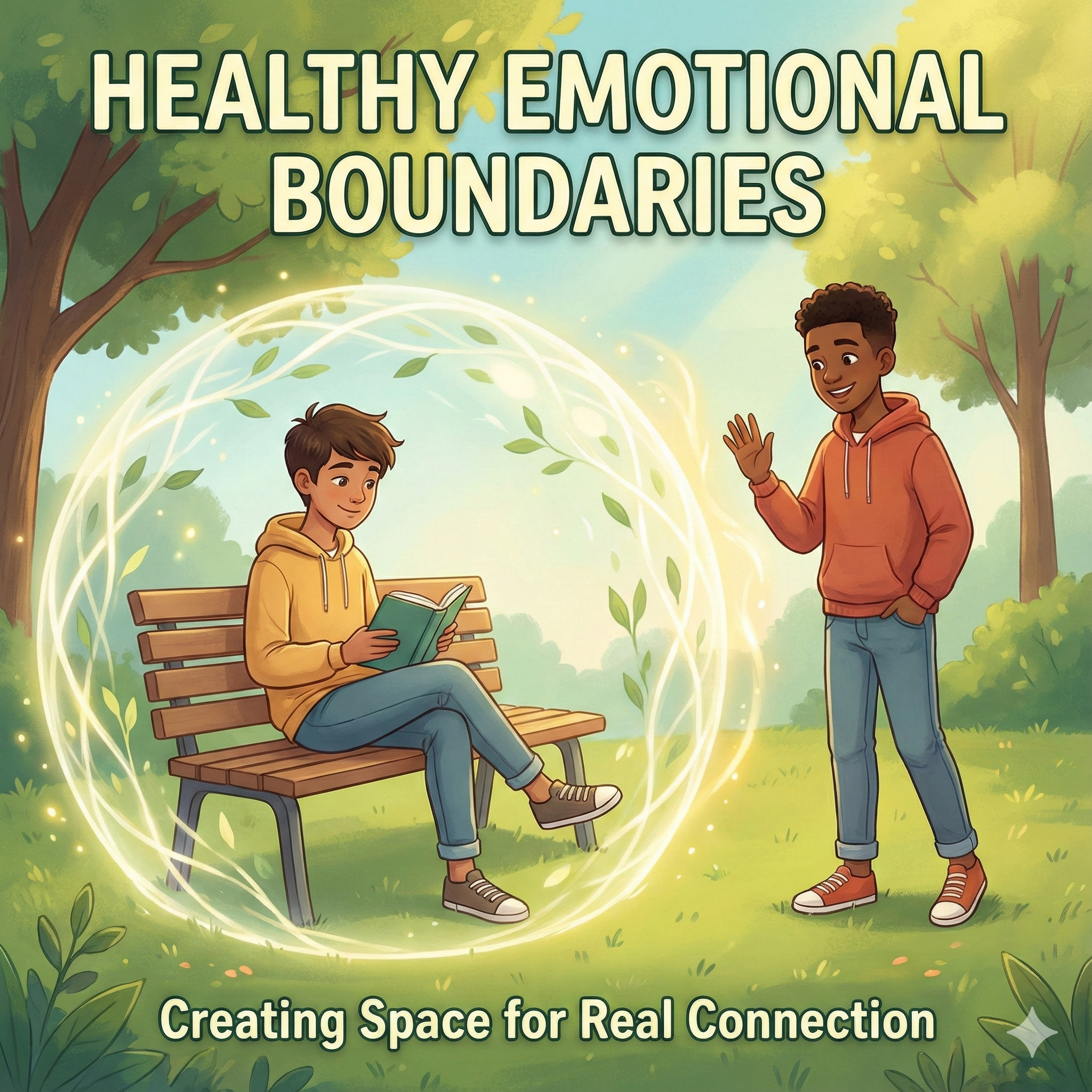
Emotional boundaries are the invisible lines that protect your feelings, energy, and mental well-being. They help you understand what feels comfortable, what doesn’t, and how you want others to treat you.
🌱 What Are Emotional Boundaries?
Emotional boundaries are limits you set so:
- You don’t take on other people’s stress as your own
- You can say no without guilt
- You feel respected in friendships, family relationships, or any connection
- You stay true to your own feelings and values
They’re not walls — just healthy guidelines that help you feel safe.
💡 Why Emotional Boundaries Matter
1. They Protect Your Mental Energy
Without boundaries, you might feel drained, overwhelmed, or responsible for everyone else’s problems.
2. They Help You Build Healthy, Balanced Relationships
Good boundaries allow for respect and trust instead of pressure, guilt, or over-dependence.
3. They Reduce Miscommunication
When you’re clear about what you need, others understand how to treat you.
4. They Increase Self-Respect
Setting boundaries shows you value yourself — your time, emotions, and comfort.
5. They Prevent Over-Attachment
Healthy boundaries help you care for people without losing yourself.
🛠️ Examples of Healthy Emotional Boundaries
- “I need some time alone to calm down before we talk.”
- “I care about you, but I can’t fix this for you.”
- “I don’t feel comfortable discussing that.”
- “Please speak to me respectfully.”
- “I need rest — I’ll reply later.”
🌟 Final Note
Emotional boundaries aren’t about pushing people away.
They’re about making space for real, healthy connection — where both sides feel valued, safe, and understood.
If you want, I can also write:
- Short captions for social media
- A full article
- Content ideas related to boundaries, relationships, or emotional health